Written by Erin Chamerlik, Nutrition Educator, MS, MT(ASCP)
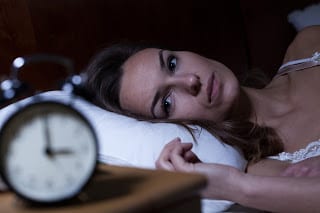
More than half the U.S. adult population suffers from poor quality sleep at night and one third of all adults are sleeping less than six hours per night. This lack of restful sleep is affecting more than just daily activities.
Sleep drives energy, focus, and sense of well-being and when sleep quality is poor, sixty-seven percent of people also report that their health is poor.
The lack of adequate sleep, about seven to nine hours per night, adversely effects many aspects of our health. Lack of sleep also adversely effects hormone levels, metabolic functions and blood sugar metabolism. Hormones drive many aspects of our lives:
- how we sleep
- how we feel
- energy levels
- mood
- drive
- muscle
- fat
Short on sleep?
That tends to increase appetite and increase stress and cortisol
Even one night of poor sleep results in a cascade of metabolic and circadian rhythm problems the next day. The cycle. We feel it.
• Insulin resistance – is an impaired ability to use insulin. This leads to higher blood sugar levels. Insulin resistance is linked to an increased risk of obesity and diabetes.
• Increased cravings for sugar
• Increased appetite for the wrong types of foods
Chronic partial sleep loss increases the risk of obesity and weight gain
The medical research shows it. Chronic sleep loss has been consistently shown to be associated with increased risk of obesity in both adults and children. Numerous epidemiological studies, meta-analyses, and physiological investigations have found that habitual short sleep duration—typically defined as less than 6–7 hours per night—correlates with higher body mass index (BMI) and greater likelihood of developing obesity . https://pmc.ncbi.nlm.nih.gov/articles/PMC6196958/
Other problems from lack of sleep also includes an increase in cortisol levels. Cortisol is known as the stress hormone. The four biggest causes of belly fat are eating a poor diet with lots of sugar and processed carbohydrates, high stress, lack of adequate restful sleep and lack of physical activity.
Biological studies indicate that sleep deprivation disrupts key hormonal systems that regulate appetite and metabolism. Chronic lack of sleep reduces leptin (a hormone that signals fullness) and increases ghrelin (a hormone that promotes hunger), leading to higher calorie intake and preference for high-fat and carbohydrate-rich foods . It also impairs insulin sensitivity, contributing to altered glucose metabolism and fat storage
Four Keys to Help Increase Energy, Improve Sleep and Reduce Belly Fat
Do you battle unwanted belly fat, have listless libido or regularly experience trouble getting a good night’s sleep?

Would you love to sharpen your mind and increase your energy and vitality?
What can be done to fight back? What can we do each day to stave off these declines in quality of sleep, energy, focus and physical fitness and mental fitness. What addresses all these issues described above?
Hormones
If you are over age 25 it is very likely that with each passing day, week, month, year your levels of DHEA hormone are steadily decreasing. For most people DHEA levels decrease at the rate of about 2% per year after age 30. As this gradual hormone decline happens more “signs of aging” appear.
DHEA is a precursor or base building block from which hormone molecules are made by the body. Recent findings show that higher DHEA levels are associated with deeper REM sleep thus allowing sounder sleep at night. According to medical research by Dr. E. Friess and colleagues, “DHEA administration induced a significant (P<0.05) increase in rapid eye movement (REM) sleep, whereas all other sleep variables remained unchanged compared with placebo conditions.” Their research suggests that DHEA can improve REM sleep, which can improve your overall health and well being and reduce risks of developing major medical conditions.
People with lower levels of DHEA have more belly fat, sleep poorly, and have a higher risk of getting cancer. DHEA is a base for estrogen, testosterone, and 50 other hormones. Using DHEA the right way is key- as a skin cream rather than a pill. Twist 25 DHEA cream is DHEA the right way.
I began using Twist 25 DHEA cream topically several years ago in my early 50s. At that time I had been having a difficult time sleeping, with many nights lying awake for hours. Two weeks after beginning Twist 25 cream I slept straight through the night, and that continued to be the pattern. DHEA had kicked in and things were coming into balance. I was waking up refreshed and my energy increased.
Improve Sleep
As hormones are coming back into balance, consider additional ways to improve the quality of your sleep. Be sure that the room you sleep in is completely dark. Remove electronics, get room-darkening blinds, and even cover the light from your smoke detector with black tape. If you cannot achieve total darkness, use a sleep mask.
Avoid screens (tv, computer, tablet, phone) an hour before bed. Turn down the lights and read a book or listen to music.
Avoid alcohol, starchy snacks and heavy meals before bed.
Use aromatherapy. Essential oils increase feelings of relaxation. Lavender oil and cedar wood essential oil are favorite calming oils to use at bedtime. Essential oils can be diffused or applied topically. Apply a drop of oil to the back of the neck, on forehead or on each wrist.
Supplements can help. Take the relaxing mineral, magnesium glycinate, at bedtime (400 MG or more if needed). Herbs like passion flower can also be beneficial.
Eat Nutrient Dense Foods
A poor diet is stressful to the body. Eat a real food diet:
▪ Focus on nutrient-dense, natural whole foods (vegetables, fruits, wild caught fish, free range meats and eggs, seeds and nuts).
▪ Increase your intake of healthy saturated fats and omega-3 fatty acids from good sources like fish, avocado, nuts, seeds, coconut oil, avocado oil, and extra virgin olive oil.
▪ Include high-fiber foods like vegetables, flax seed, berries, avocado, nuts and other seeds.
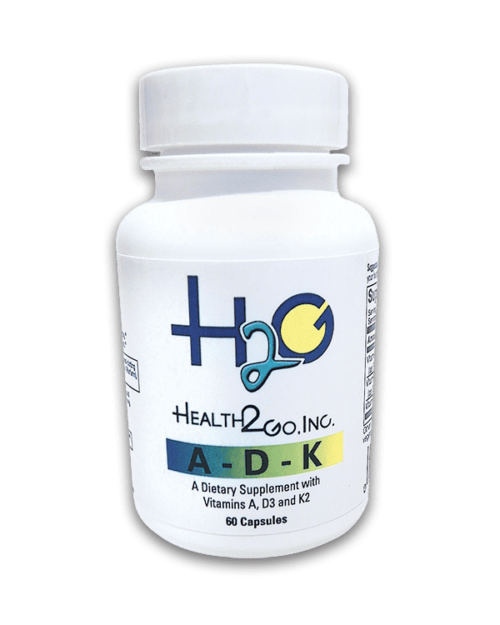
▪ Avoid nutritional deficiencies by complementing a nutrient-dense eating plan with quality supplementation (Vitamin D3, K2, probiotics, Omega-3 fish oil, magnesium).
▪ Drink plenty of water
Exercise
Cut back on how much you eat. Eat smaller portions. Exercising more will help to reduce fat; but maintaining your hormones is key. Start using Twist 25 DHEA cream morning and evening every day for a few weeks and you can begin to turn the routine back in the right direction to reclaim your sleep, your health, your energy, vitality and zest for life – and lose fat.
References
(1) Leproult R, Van Cauter E. Role of sleep and sleep loss in hormonal release and metabolism. Endocrin Dev. 2010;17:11-21. doi: 10.1159/000262524. Epub 2009 Nov 24. Review. PubMed PMID: 19955752; PubMed Central PMCID: PMC3065172.
(2) Donga E, van Dijk M, van Dijk JG, Biermasz NR, Lammers GJ, van Kralingen KW, Corssmit EP, Romijn JA. A single night of partial sleepdeprivation induces insulin resistance in multiple metabolic pathways in healthy subjects. Journal of Clinical Endocrinology & Metabolism. 2010 Jun;95(6):2963-8. doi: 10.1210/jc.2009-2430. PubMed PMID: 20371664.
(3) McNeil J, Doucet É, Chaput JP. Inadequate sleep as a contributor to obesity and type2 diabetes. Can J Diabetes. 2013 Apr;37(2):103-8. doi: 10.1016/j.jcjd.2013.02.060. Epub 2013 Apr 23. PubMed PMID: 24070800.
(4) Knutson, Kristen L. Impact of sleep and sleep losson glucose homeostasis and appetite regulation. Sleep Med Clin. Author manuscript; available in PMC 2008 Jun 1.
Published in final edited form as: Sleep Med Clin. 2007 Jun; 2(2): 187–197. doi: 10.1016/j.jsmc.2007.03.004 PMCID: PMC2084401. NIHMSID: NIHMS27337
(5) Friess E, Trachsel L, Guldner J, Schier T, Steiger A, Holsboer F. DHEA administration increases rapid eye movement sleep and EEG power in the sigma frequency range. American Journal of Physiology. 1995 Jan;268(1 Pt 1):E107-13. PubMed PMID: 7840167.
Written with Erin Chamerlik of Get Better Wellness
Erin Chamerlik is the founder of Get Better Wellness, Inc., a wellness-focused health and nutrition education company located in the Nashville area. Learn how you can reach optimal health through a whole food eating plan that integrates ancient wisdom with an innovative, science-based approach to health and wellness.
Related Products
-
 anti-aging supplement
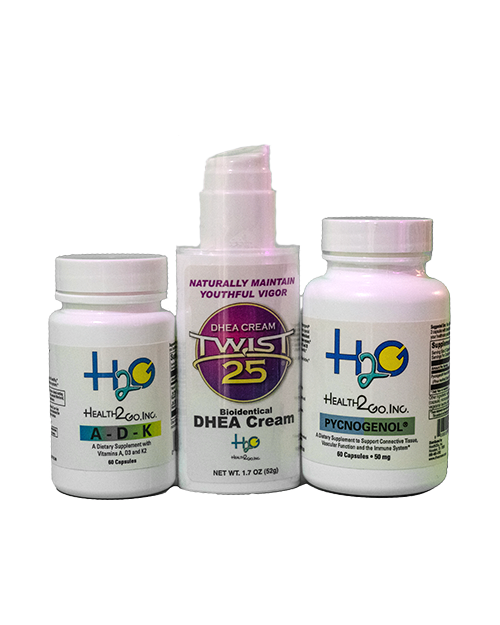
Health2Go Anti-Aging Combo Pack (DHEA, Pycnogenol, Vit ADK)
$137.95 Add to cart -
-